
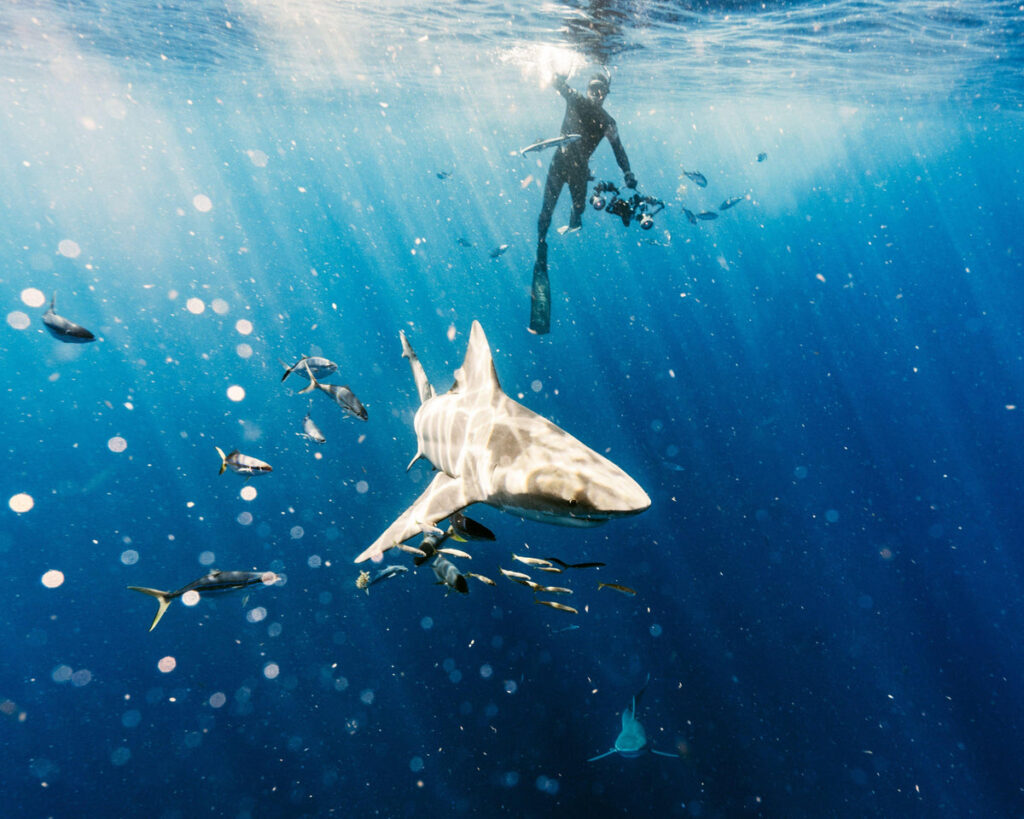
Top 5 sharks that are dangerous
Which sharks count as the most dangerous depends on a few things: size, habitat, behaviour, and their record of attacks. Still, some sharks get singled out more than others, mostly because they are big predators and could do real harm to a person.
The Carcharodon carcharias, or great white shark:

Features: Great whites are huge, fast, and built for it, with a sleek body and serrated teeth. Their bite carries enormous force.
Habitat: You find them in coastal seas all over the world, mostly where there’s plenty of marine life to feed on.
Behavior: They sit at the top of the food chain and eat a wide range of marine life, including seals, sea lions, and other sharks.
Danger: Given the size and the bite, attacks on people are rare but can be very serious when they happen. Most fatal shark attacks on humans are down to great whites.
The Galeocerdo cuvier, or tiger shark:

You can tell a tiger shark apart by the dark, tiger-like stripes running down its body. It has a big, blunt head and strong jaws packed with sharp teeth.
Habitat: Mostly tropical and subtropical waters around the world, though they go into deeper water too.
Behavior: Tiger sharks will eat almost anything: fish, birds, turtles, even bigger animals like dolphins. Their appetite is the stuff of legend.
That appetite, plus how aggressive they are, puts them near the top for danger to humans. They cause a good number of attacks each year, often where people are surfing or swimming.
Shark (Carcharhinus leucas): Bull shark

Features: Bull sharks are stocky, with a broad, blunt snout and grey colouring. They have a reputation for being aggressive.
Habitat: You’ll find them in rivers, estuaries, and shallow coastal water. They’re the one shark species that can handle freshwater.
Behavior: They eat fish, turtles, birds, and other sharks, and they’ll take whatever’s going.
Danger: Because bull sharks can live in both fresh and salt water, they cross paths with people more often, which is why they’re treated as one of the more dangerous species. They’re behind a fair share of unprovoked attacks, often in spots where people don’t expect to meet a shark at all.
Shark, Carcharhinus longimanus, Oceanic Whitetip:

Features: You’ll know an oceanic whitetip by the white-tipped dorsal fin and the long, rounded fins. They’re stocky, and range from medium to large.
Habitat: Deep, open water far from the coast, around oceanic islands across the world.
Behavior: They scavenge a lot, taking carrion and scraps off fishing boats, and they’ll also go after live fish and, now and then, marine mammals.
Risk: They aren’t as famous for attacking people as some others here, but they’ve been tied to a lot of incidents involving downed aircraft and shipwreck survivors.
Isurus oxyrinchus, the shortfin mako shark:


Features: Makos are sleek and streamlined, with a long pointed snout and a powerful tail. Their backs are a metallic blue and their bellies are white.
Habitat: Shortfin makos live in deep ocean and offshore waters worldwide, usually in tropical and temperate zones.
Behavior: In short bursts a mako can hit speeds of over 60 mph (97 km/h), which makes it one of the fastest, most agile predators out there. It mainly chases quick prey like fish and squid.
Danger: The speed and the strong jaws make makos dangerous, even though they go after people less often than the others on this list. Most encounters happen out in offshore water, usually with divers or fishermen.
These sharks have a dangerous reputation, but worth remembering: most run-ins between people and sharks end with nothing happening, and attacks are still rare. Know how sharks behave and stay sensible when you dive or swim where they’re around, and you cut the odds of any trouble right down.
Plan your dive: Want to try it yourself? Our first-time scuba dive in Goa starts at ₹2,970, with a certified instructor beside you the whole time.