
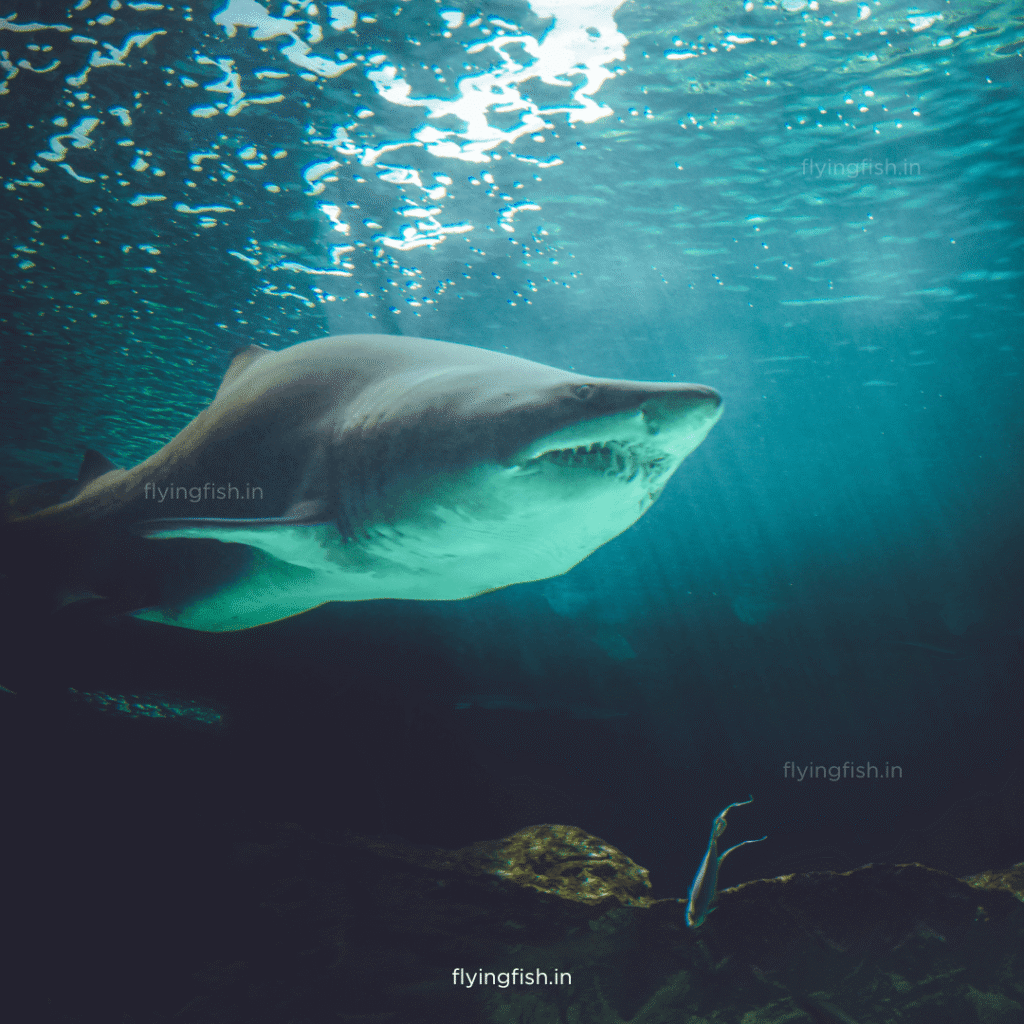
Top 7 Unseen Underwater Creatures | You have to Check this!
Peacock Mantis Shrimp:

Scientific name: Scyllarus odontodactylus. The Peacock Mantis Shrimp is a small but very colourful marine crustacean, and it packs a serious punch. Its green, blue, and red shades look a bit like a peacock’s feathers. You’ll find it in the shallow tropical waters of the Indian and Pacific Oceans, usually living in burrows in the sand or on coral reefs. It has some of the best eyesight of any animal, and it uses its club-like appendages to crack open hard-shelled prey fast.
Frogfish:

Scientific name: Antennariidae. Frogfish are masters of camouflage, often looking like a lump of coral or a bit of seaweed. They come in many colours and shapes, and many have soft, fleshy bumps that help them disappear into the background. You’ll usually spot them on sandy bottoms or coral reefs in tropical and subtropical waters worldwide. They are ambush predators, so they sit still and wait, then snap up unsuspecting prey with a fast strike of their expandable mouth.
Ribbon Eel:

Scientific name: Rhinomuraena quaesita. The Ribbon Eel is a kind of moray eel with bright colours and a long, ribbon-like body. They can be all yellow or all black, but most have a blue body with a yellow dorsal fin. You’ll find them across the Indo-Pacific in lagoons and on reefs. Ribbon Eels tend to hide in burrows or cracks with just their heads poking out. They live alone and you’ll rarely see them in groups.
Frilled Shark:

Scientific name: Chlamydoselachus anguineus. The Frilled Shark looks ancient, almost prehistoric, and you rarely ever see one. It has a long, eel-like body and frilly gill slits that give it that odd look. Frilled Sharks live in deep water around the world, often near steep underwater cliffs and canyons. They are slow-moving predators that eat squid and small fish. Because they stay so deep, people hardly ever cross paths with them.
Christmas Tree Worm:

Scientific name: Spirobranchus giganteus. Christmas Tree Worms are tiny sea worms, and they got their name because they look like little decorated Christmas trees. The body sits in a tube, and the colourful spiral appendages stick out like branches. You’ll usually find them tucked into cracks and holes in hard coral, and they live on tropical coral reefs all over the world. They are filter feeders, so they fan out those bright tentacles to catch plankton and other small bits drifting past.
Box Crab:

Scientific name: Calappa spp. The box crab gets its name from the big, box-shaped shell and flat body. Its strong claws are used both to defend itself and to grab food. You’ll find box crabs in the shallow waters of tropical and subtropical regions, usually over muddy or sandy bottoms. They eat a range of organic matter off the seabed, mostly scavenging whatever they can find. Every one of these animals has adapted to its own patch of the sea, which is part of what makes diving worth doing.
Plan your dive: Want to try it yourself? Our first-time scuba dive in Goa starts at ₹2,970, with a certified instructor beside you the whole time.