
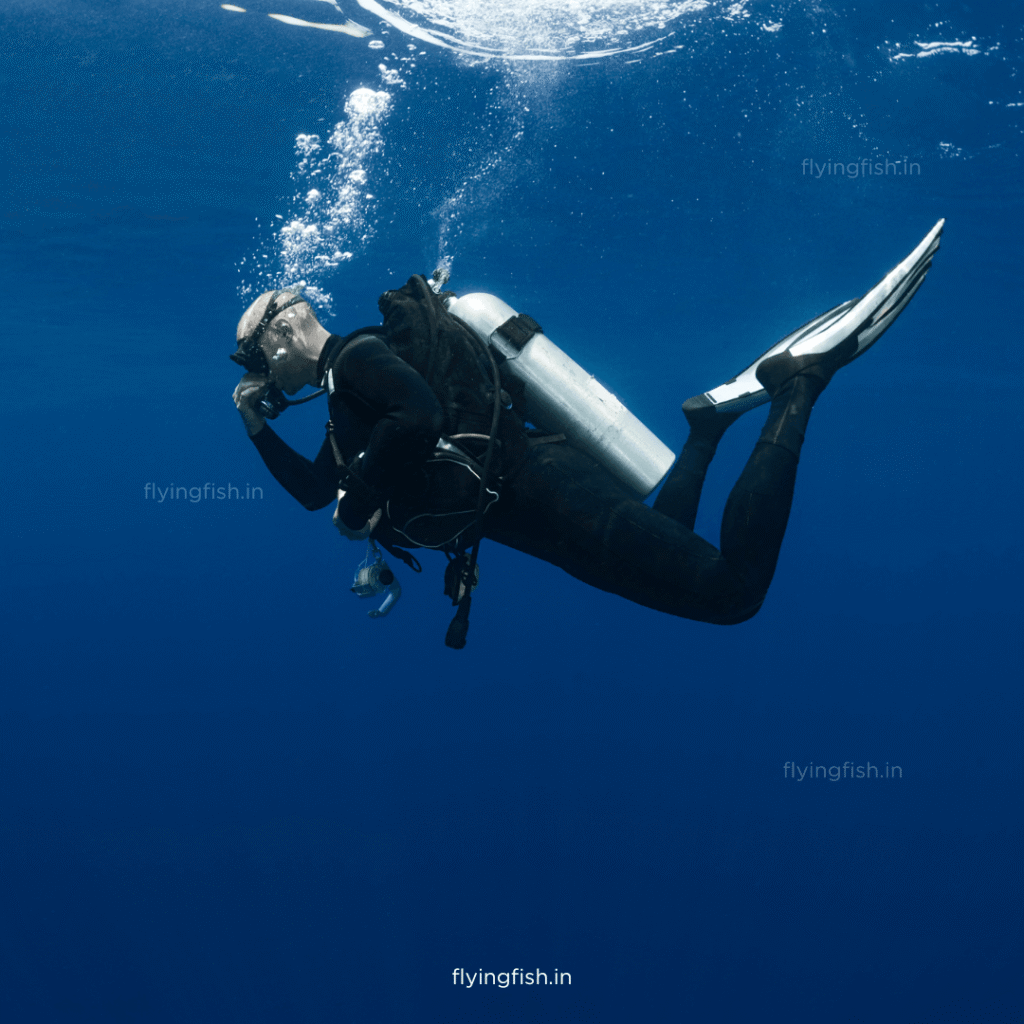
9 things you shouldn’t do after Scuba Diving

Flying after diving: Get on a plane too soon and you risk decompression sickness, the bends. When the pressure drops fast, nitrogen comes out of solution in your blood as bubbles. After a single no-decompression dive, wait at least 12 to 24 hours before you fly. Wait longer if you did several dives, or any dive that needed decompression stops.
Driving through high-altitude regions or climbing mountains: Anything that takes you up to altitude soon after a dive, a mountain road or a climb, raises your risk of decompression sickness. Give your body time to clear the extra nitrogen first.
After diving: Zipline straight after a dive and the quick swings in pressure and altitude can push up your risk of decompression sickness. Hold off on ziplining and anything similar until you’ve had enough time on the surface.
Deep tissue massage: A deep massage can shift nitrogen around in your blood and raise the risk of decompression sickness. Skip it right after diving, especially if you’ve done several deep dives or a lot of dives that day.
Unwinding in a hot tub or shower: Heat opens up your blood flow, which can make decompression sickness symptoms worse. Skip the hot tub and the hot shower until you’ve had a proper surface interval and your body has had time to off-gas nitrogen.
Overindulging in alcohol: Alcohol dehydrates you and clouds your judgment, neither of which helps after a dive, especially when you’re already tired or low on fluids. Give your body time to recover before you start drinking heavily.
Exercise soon after diving: Hard exercise too soon after a dive speeds up how fast nitrogen moves through your tissues, which raises your decompression sickness risk. Wait until you’ve had a full surface interval and feel back to normal before you hit a tough workout.
Ignoring your surface interval: A surface interval gives your body the chance to release the nitrogen it took on during the dive, which lowers your risk of decompression sickness. Skip or cut one short and that risk climbs fast. Stick to the surface interval times your dive profile calls for.
Ignoring your body: After diving, watch for any signs of decompression sickness, such as joint pain, tingling or numbness, lightheadedness, or trouble breathing. Pushing through these warnings can do real harm. If you notice any of them, get help right away.
Plan your dive: Ready to get certified? Compare our PADI and SSI scuba courses in Goa, from Open Water to Rescue Diver.