 No. 01
Moorish idol
Zanclus cornutusThe fish everyone draws when they draw a reef fish. In Goa, you have to earn it.
Occasional

Every fish, ray, turtle and sea slug in this guide has been recorded in Goa's own waters. Nothing is borrowed from the Red Sea or the Pacific. Tap any card for photos, how to recognise it and where to look on a dive.
Tap a species to read about it.
Flat, bright and often in pairs. These are the fish most people picture when they think of a reef.
No. 01
The fish everyone draws when they draw a reef fish. In Goa, you have to earn it.
 No. 02
Black and white fish with a long white flag on top. Like a Moorish idol, but less shy.
 No. 03
A white butterflyfish with a black back half, as if it swam through a pot of ink.
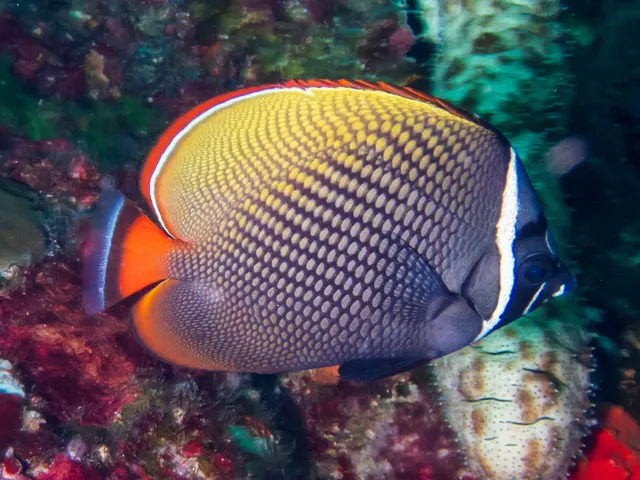 No. 04
The butterflyfish you are most likely to meet in Goa. Watch for the red tail.
 No. 05
Look for the thin thread trailing from its back fin. It is easy to miss.
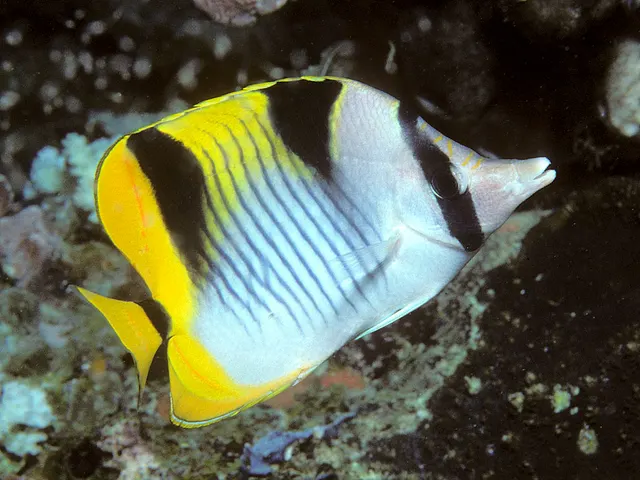 No. 06
Two black wedges on a white back. One of the rarest butterflyfish seen in Goa.
Damsels are the small, bossy fish you meet on every dive. Angelfish are the ones you will want a photo of.
 No. 07
A big orange-brown angelfish with blue lines and a blue ring behind the head.
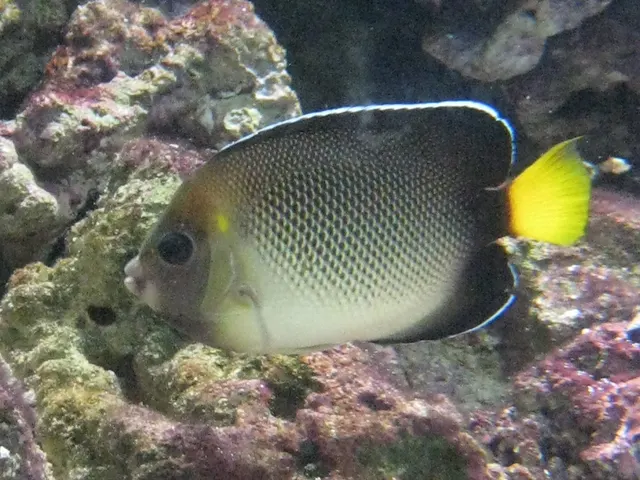 No. 08
An Indian Ocean angelfish with a net pattern and a tail that looks dipped in yellow paint.
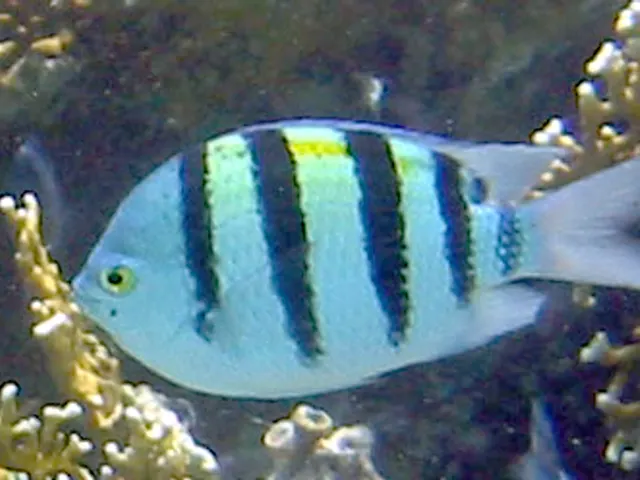 No. 09
Yellow back, black stripes, and very serious about guarding its eggs.
 No. 10
Goa's most common sergeant. Thin black stripes, no yellow, lots of attitude.
 No. 11
Rock pool regular. Find the black spot on top of the tail base.
 No. 12
Clouds of small blue damselfish hanging in the water just above the rocks.
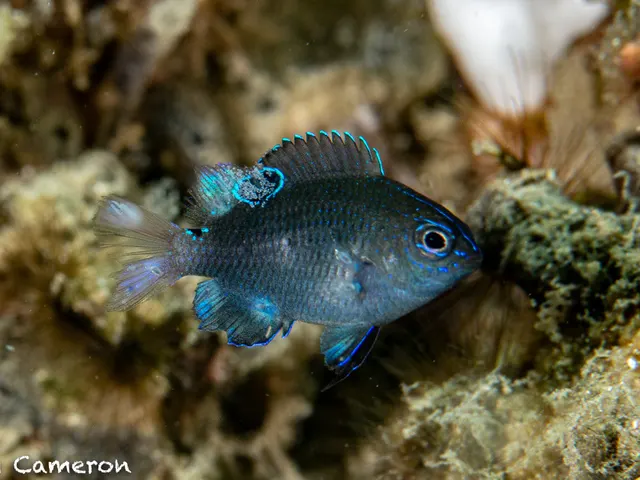 No. 13
Tiny fish, big opinions. They will chase you away from their patch of rock.
The grazers. They keep the rocks clean of algae, and on a quiet dive you can hear a parrotfish bite.
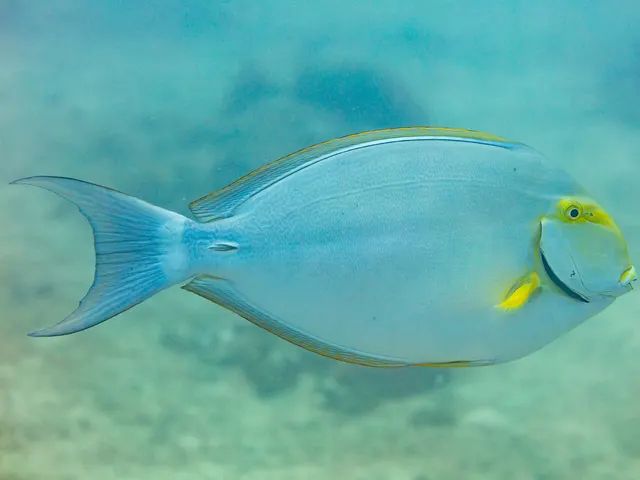 No. 14
Goa's main surgeonfish. Look for the yellow patch in front of the eye.
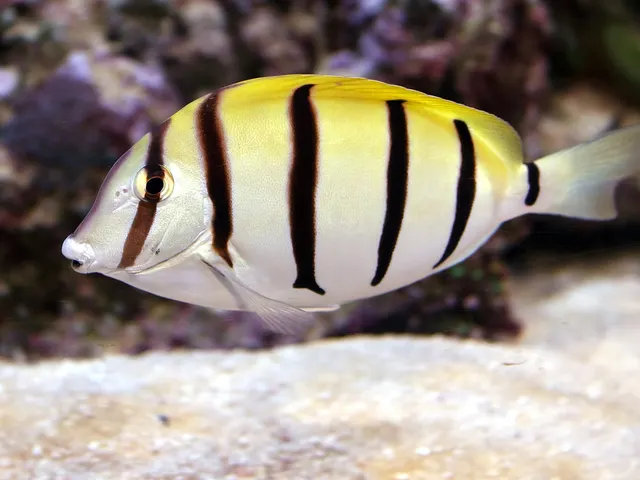 No. 15
Black stripes like an old prison uniform. Moves in gangs that raid the algae.
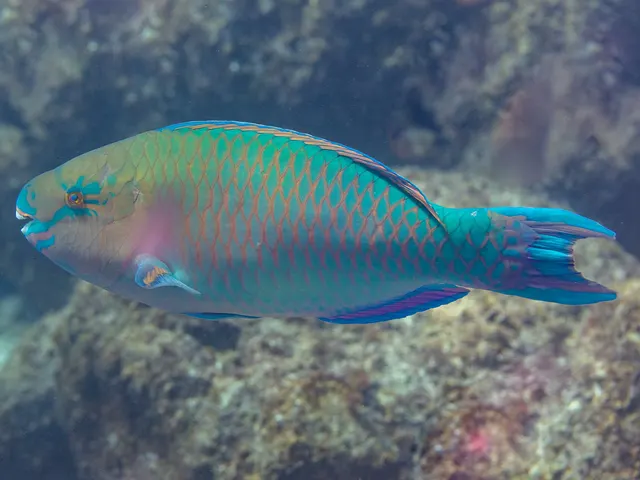 No. 16
It eats rock and makes sand. You can sometimes hear it crunching.
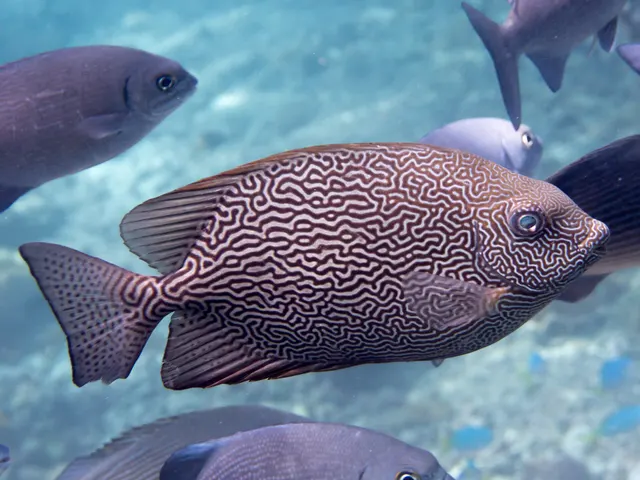 No. 17
Soft rabbit face, sharp venomous spines. Look, do not touch.
Bigger reef fish that like wrecks and ledges. Suzy's Wreck is the best place to find them.
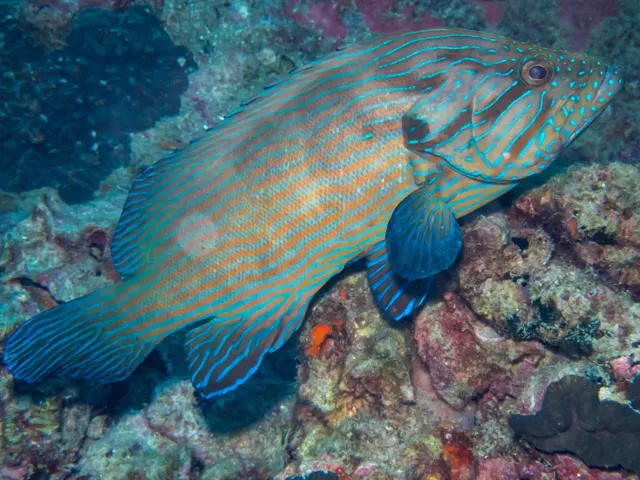 No. 18
Goa's most common small grouper. Brown with electric blue lines.
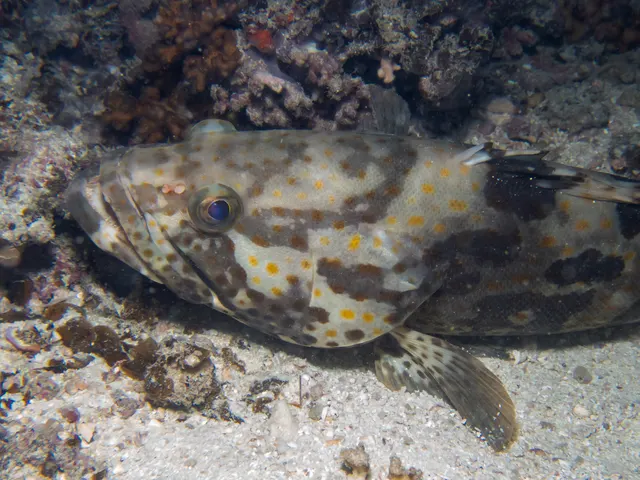 No. 19
A big brown grouper covered in orange spots. Some here are bigger than you expect.
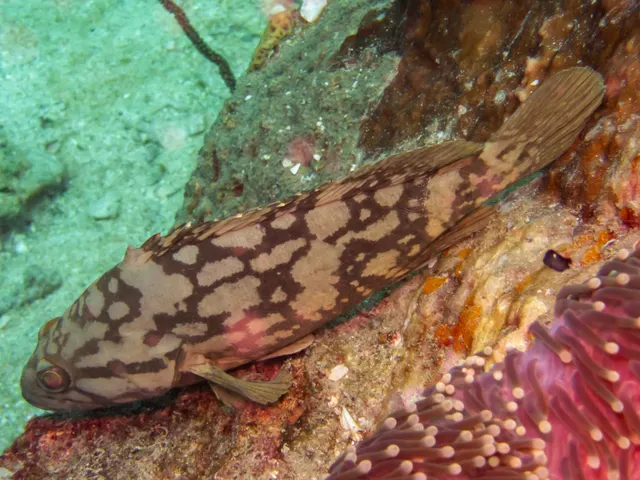 No. 20
A mottled brown grouper that likes murky water. It feels at home in Goa.
 No. 21
Goa's red snapper. It grows up in the mangroves, then moves out to the reefs and wrecks.
 No. 22
Groups of snapper hanging in the current at Suzy's Wreck. A classic Goa scene.
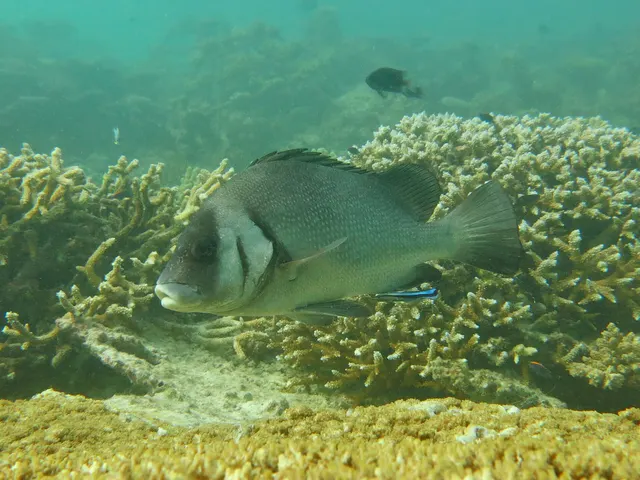 No. 23
Big fish with thick, soft lips, resting under ledges like they own the place.
 No. 24
Look for the white bar across the cheek. One of the most recorded fish in Goa.
Fast fish that patrol the edge of the reef. They come and go, so each sighting is a bit of luck.
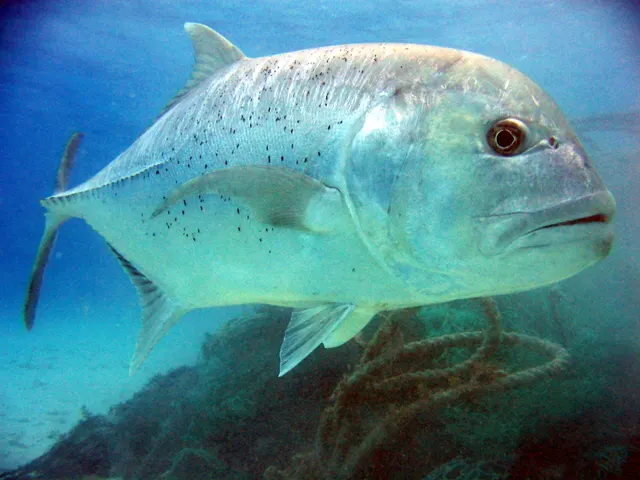 No. 25
A heavy silver hunter that turns up on the deeper sites when the current runs
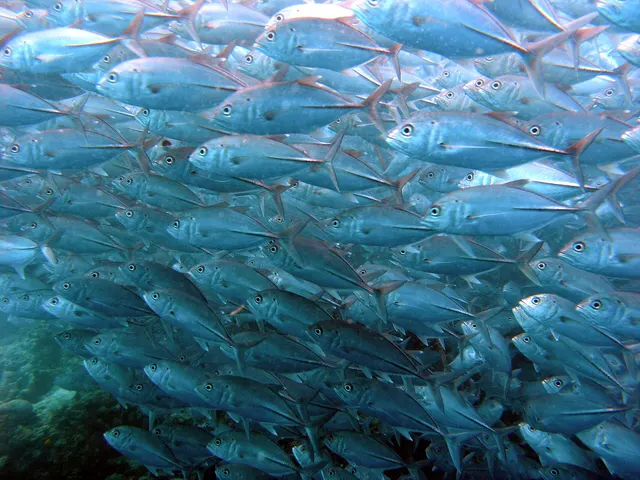 No. 26
Silver jacks that sometimes circle divers in a slow, shining school
 No. 27
Big teeth, a cold stare, and no interest at all in eating you
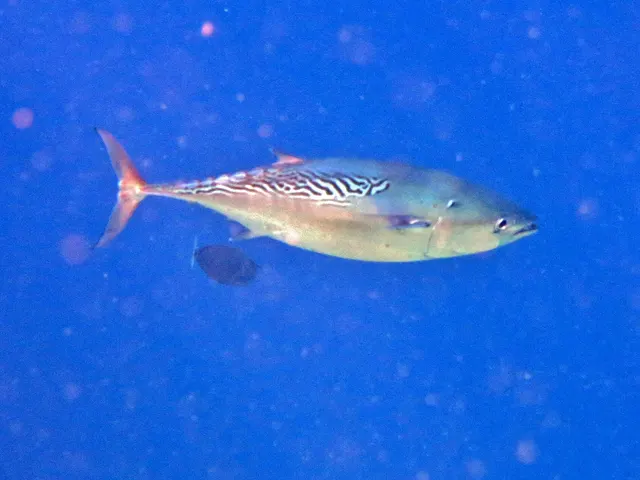 No. 28
A small tuna that races past the reef. Look away and you miss it
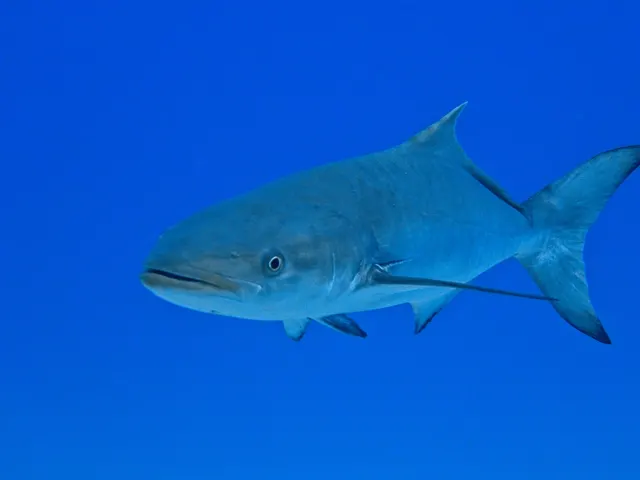 No. 29
At first glance it looks like a small shark. Look again
 No. 30
Blue and yellow schools that stream past in midwater above the reef
Odd shapes and strong teeth. Most of them swim slowly, so you can stay and watch for a while.
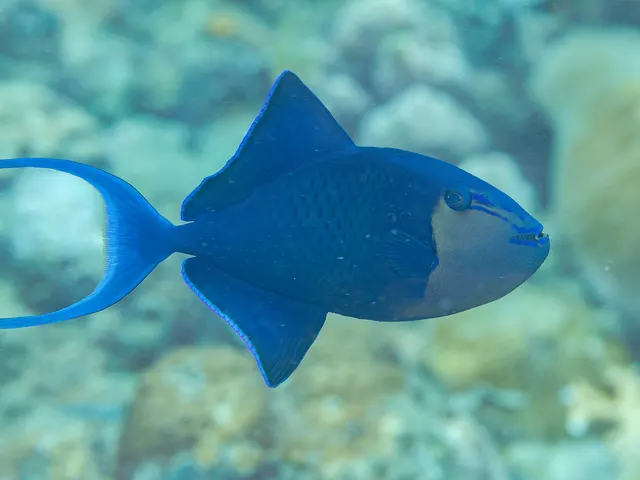 No. 31
Dark blue, a tail like a lyre, and yes, the teeth really are red
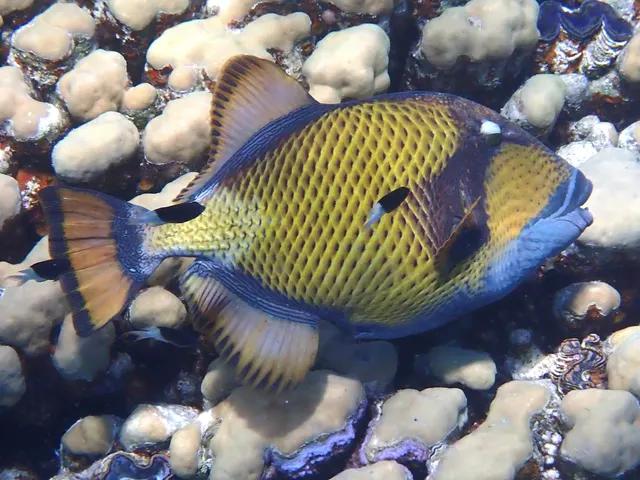 No. 32
The biggest triggerfish on the reef, and the one with the worst temper
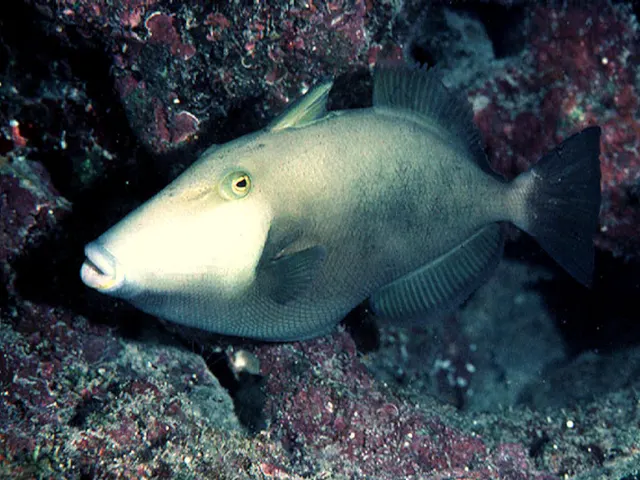 No. 33
A quiet brown triggerfish with a pale line under its chin, like a bridle
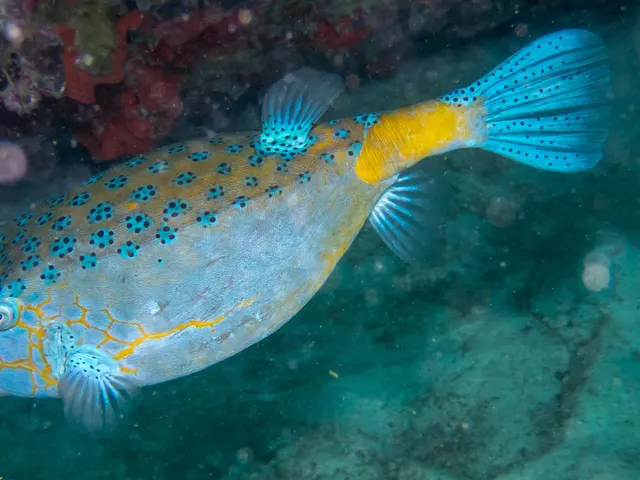 No. 34
A tiny yellow box with black spots and fins that buzz like propellers
 No. 35
A fish with horns on its head, a box for a body and a tiny pouting mouth
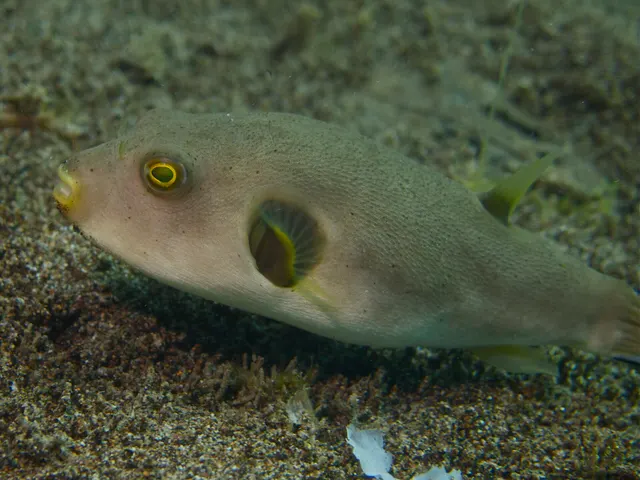 No. 36
Big eyes, slow fins and a face that always seems to be smiling
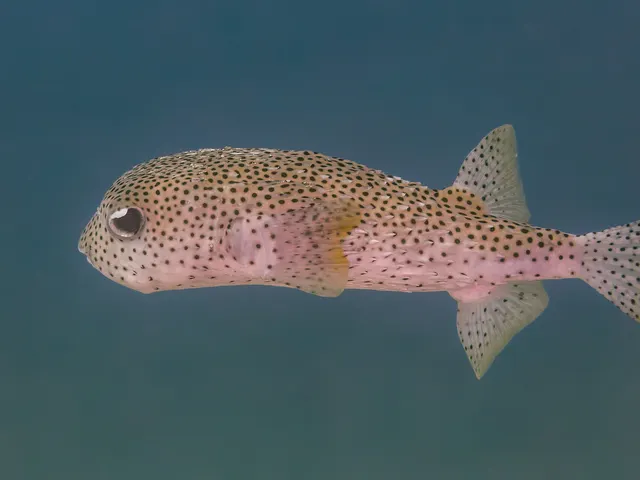 No. 37
Big sad eyes by day, a ball of spines when it gets scared
Look closely at the rocks. Some of these fish are venomous, and some are almost invisible.
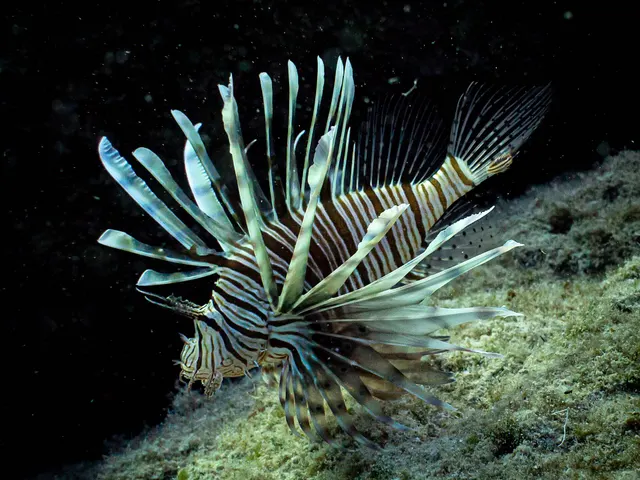 No. 38
Goa's lionfish: slow, beautiful, and carrying venom in its spines
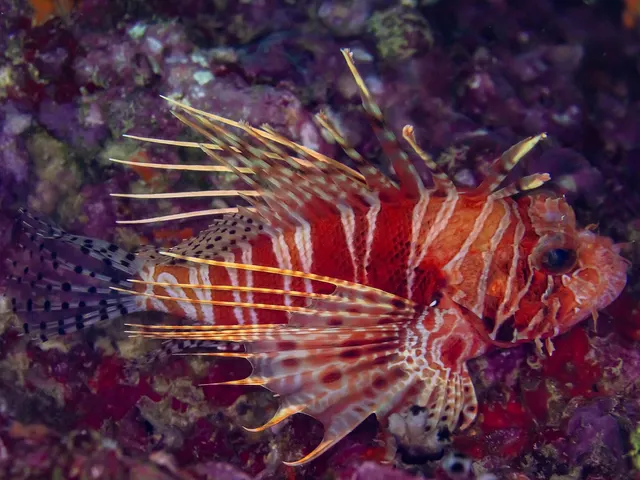 No. 39
A smaller, shyer lionfish that keeps to the deeper, quieter corners
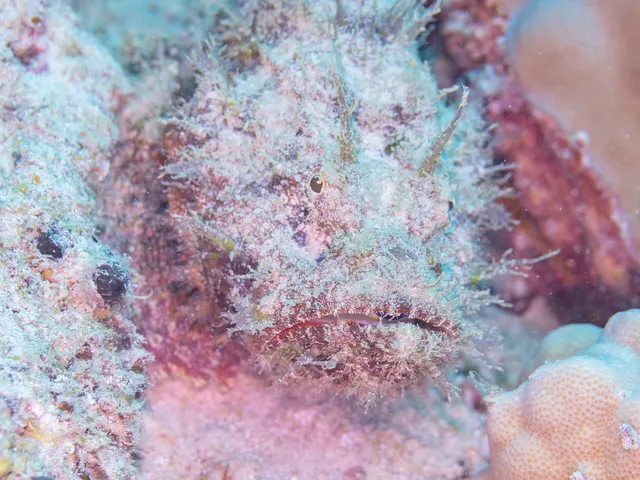 No. 40
It looks like a rock with lips, until it flashes bright orange at you
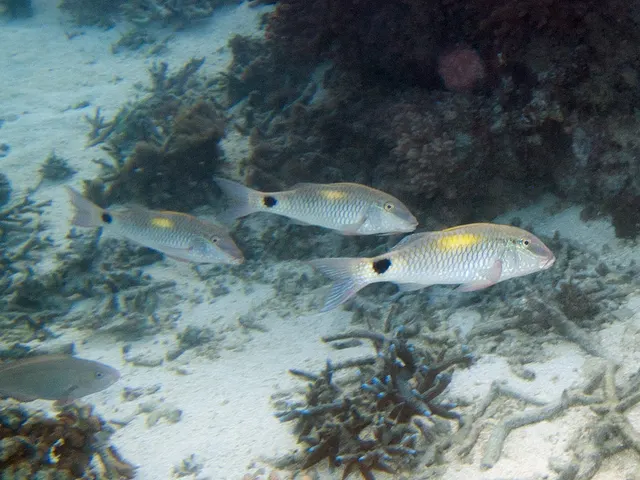 No. 41
It digs in the sand with its chin whiskers, and other fish follow it around
Small fish that most divers swim straight past. Slow down near the bottom and you will find most of them.
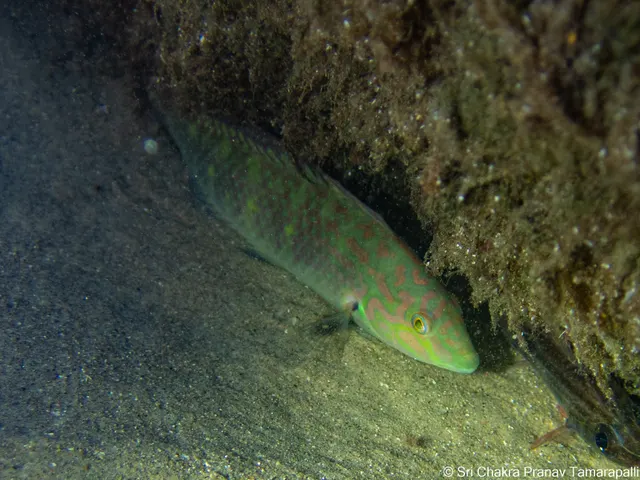 No. 42
A small, busy reef wrasse that never seems to stop moving
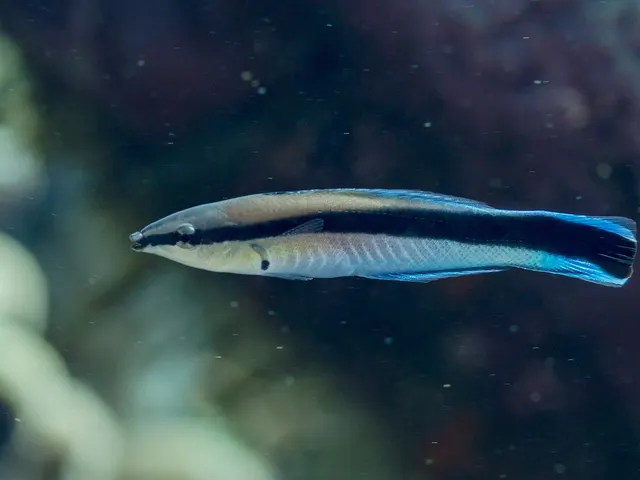 No. 43
The reef's doctor. Bigger fish line up and wait their turn for a clean
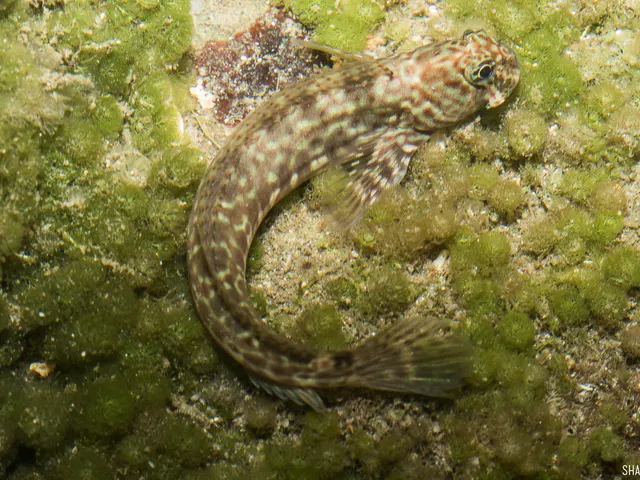 No. 44
The fish that hops between rock pools and seems happy out of the water
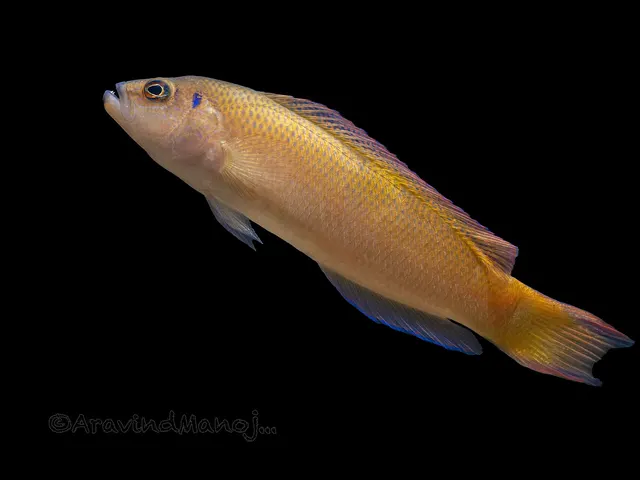 No. 45
A small, shy fish that peeks out of rock cracks, then hides again
 No. 46
Big eyes, red stripes and a sharp spine. A fish made for the night
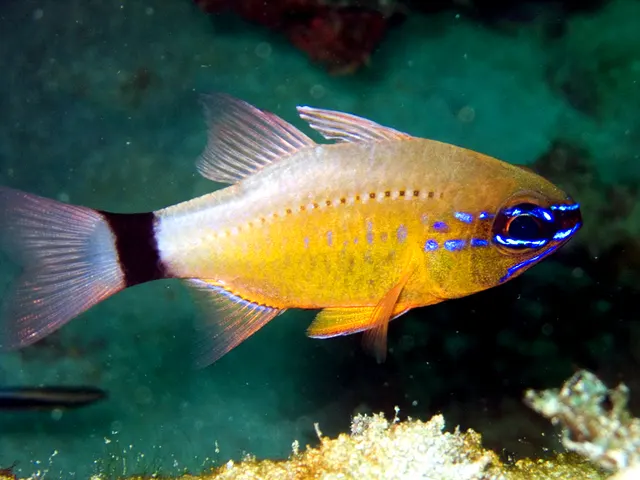 No. 47
Small fish that hang still in wreck holes, where the dads carry the eggs in their mouths
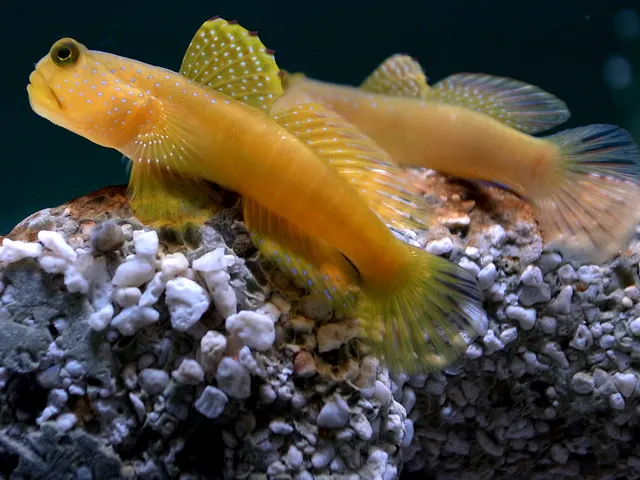 No. 48
A team on the sand: the goby keeps watch while the shrimp does the digging
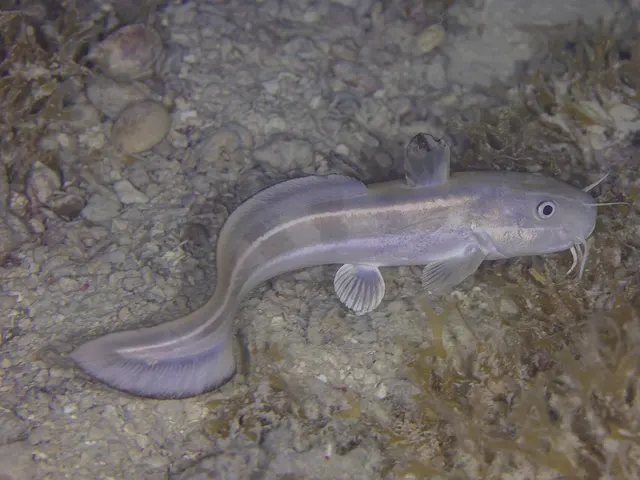 No. 49
Young catfish roll across the sand together in a tight ball of a hundred or so
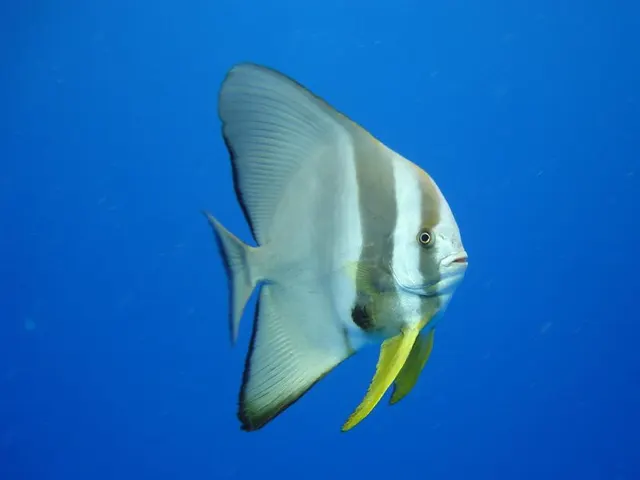 No. 50
Tall, round, flat fish that swim up to divers to see what they are
Rare and very hard to spot. Ask your instructor to look for them with you.
 No. 51
VU
Rare, small and very easy to miss. Finding one is a real event
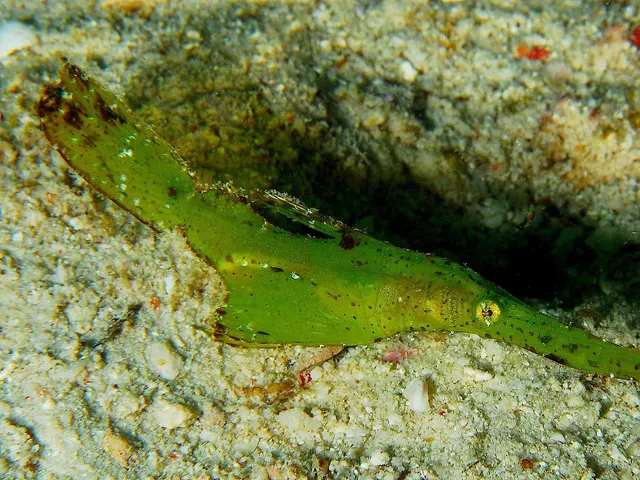 No. 52
A fish that looks exactly like a piece of drifting seagrass
Goa's rocky reefs are full of cracks, and the cracks are full of morays.
 No. 53
A big spotted eel with its mouth open. It is breathing, not threatening you
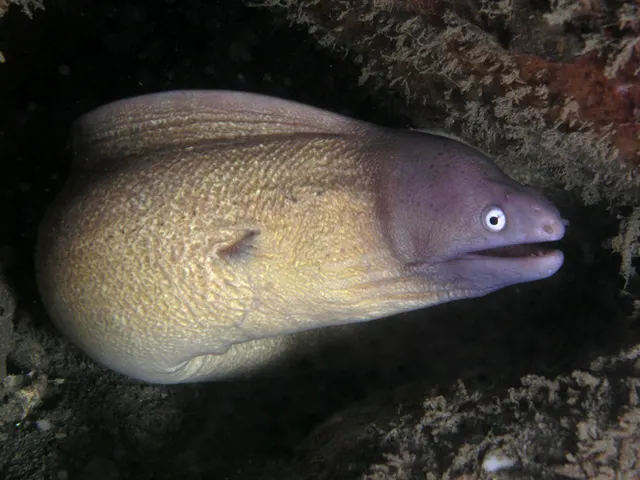 No. 54
A moray with pale eyes that often shares its hole with friends
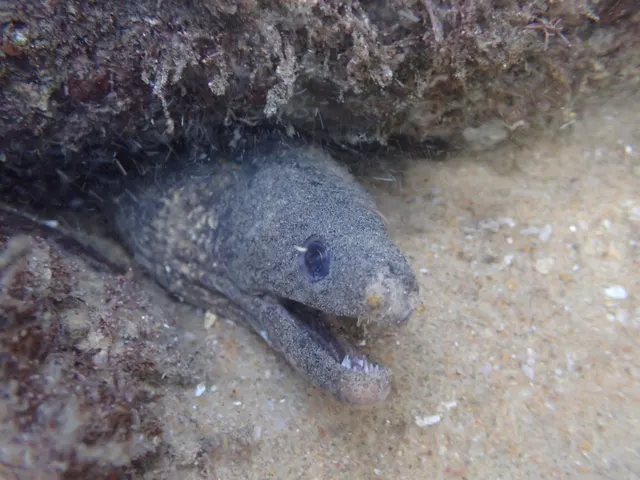 No. 55
A brown moray that even experienced divers mix up with its white-eyed cousin
No big sharks here. Rays on the sand are the regular sighting. Everything else is rare luck.
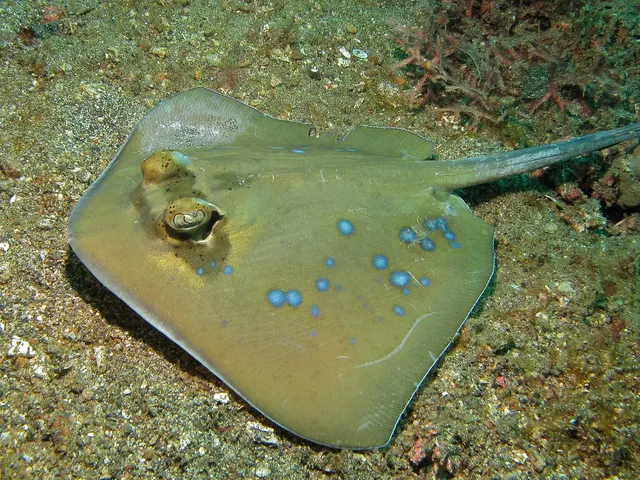 No. 56
Two eyes and a blue-spotted edge poking out of the sand. That's your ray.
 No. 57
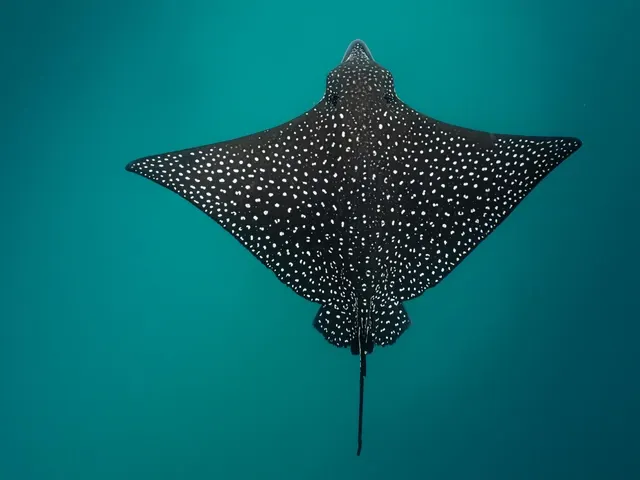
EN
A rare eagle ray with a long duck-bill nose that flies low over the sand
 No. 58
VU
A small, quiet shark that sleeps under rock ledges during the day
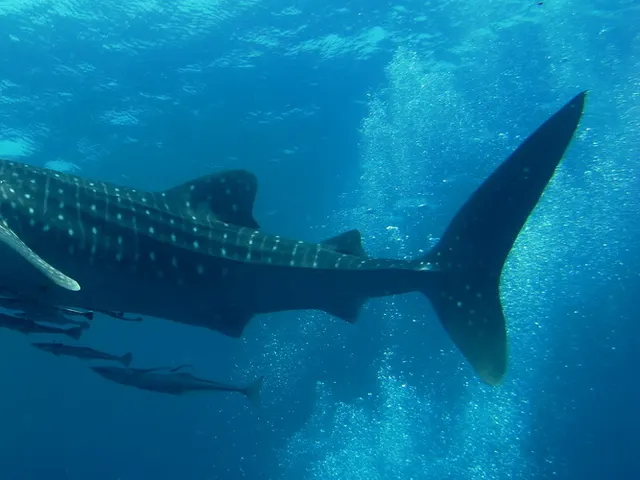 No. 59
EN
The biggest fish in the sea. In Goa, a once-in-many-years surprise
The air-breathers. You will probably see dolphins from the boat. Turtles are rare underwater, but four Goa beaches are nesting sites.
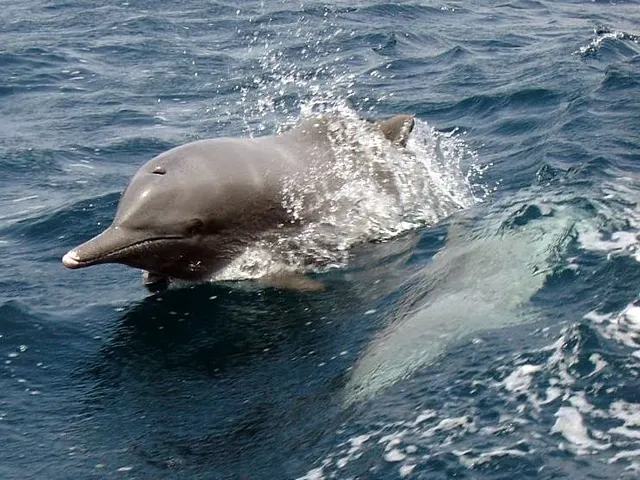 No. 60
EN
Coastal dolphins with a hump on the back, often near Aguada and the river mouths
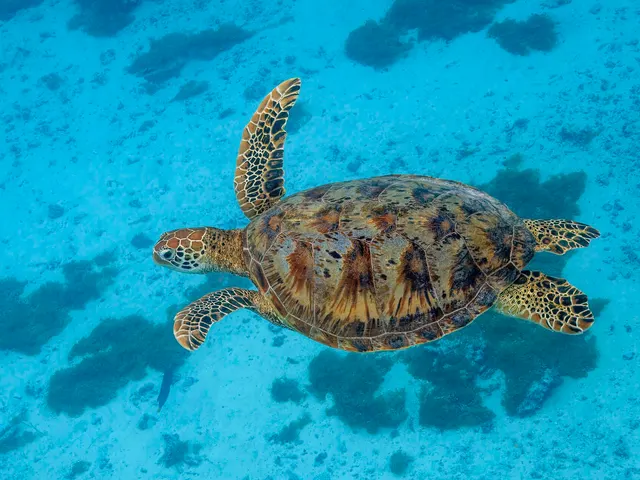 No. 61
A rare grazing turtle that visits Goa's reefs to feed, then moves on
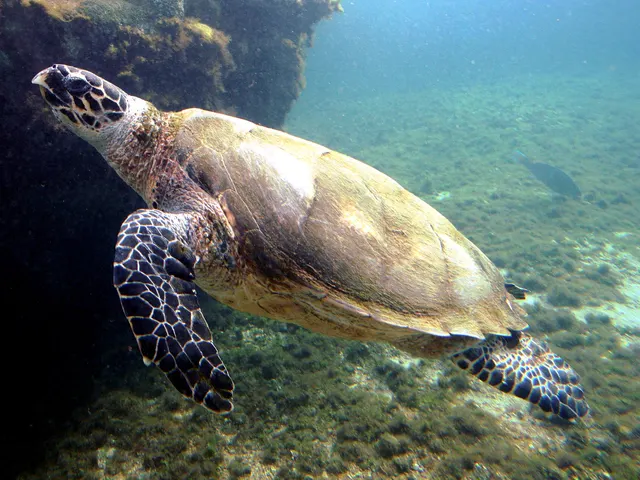 No. 62
CR
A sharp, hawk-like beak made for pulling sponges out of the reef
 No. 63
VU
Goa's own nesting turtle. Females come ashore at night, mostly on four protected beaches
 No. 64
Air-breathing snakes with paddle tails. Highly venomous, but rarely interested in you
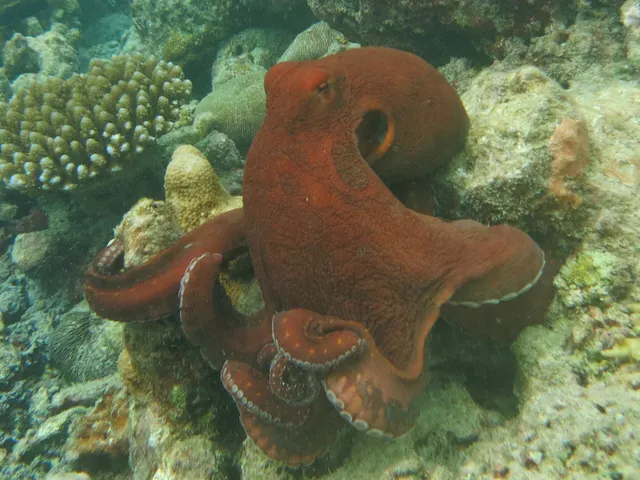
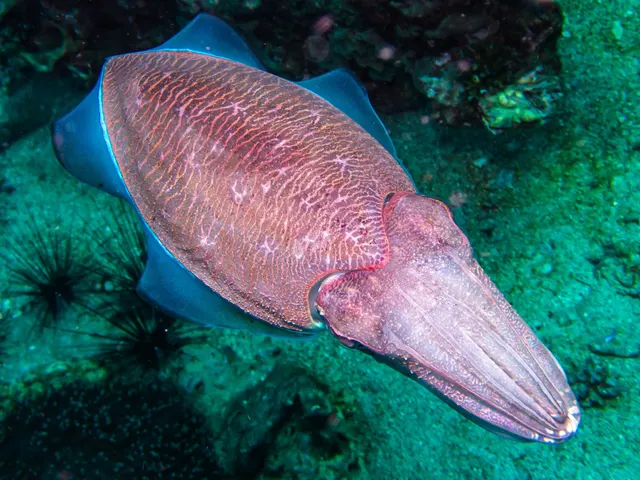
Watch one for a minute and it will change colour more than once.
 No. 65
Changes colour and skin texture in a second. Look for empty shells at its door
 No. 66
Changes colour in a blink, then shoots out two tentacles to grab dinner
 No. 67
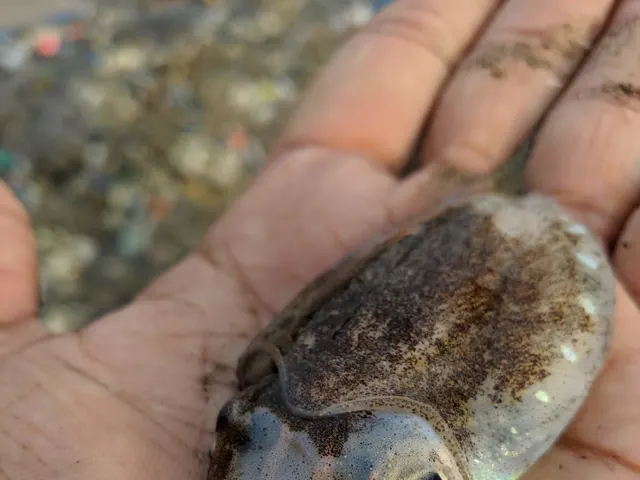
A small, shy cuttlefish that stays in shallow water close to shore
 No. 68
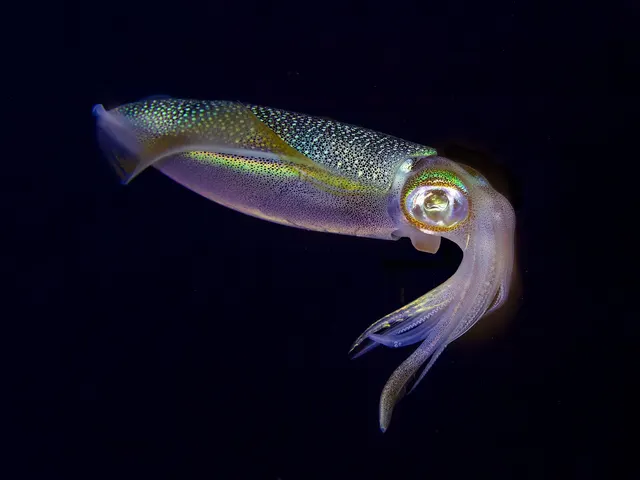
Squid that hover in small groups and flicker with colour while you watch
Sea slugs the size of a fingernail, in colours that look painted on. Dozens of species are recorded in Goa.
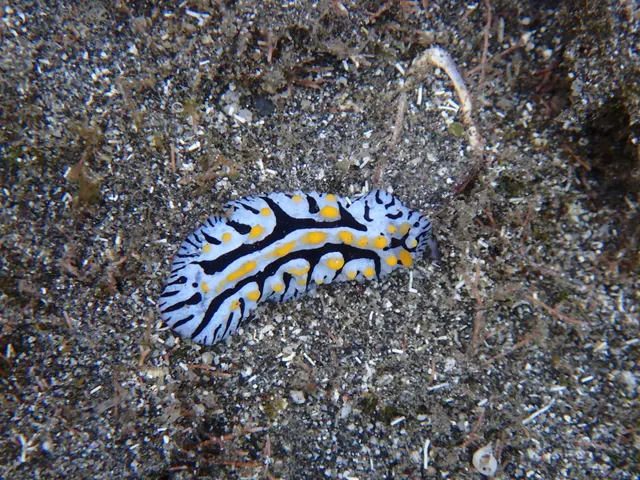 No. 69
A slow, lumpy sea slug with yellow-tipped warts that fish have learned to leave alone.
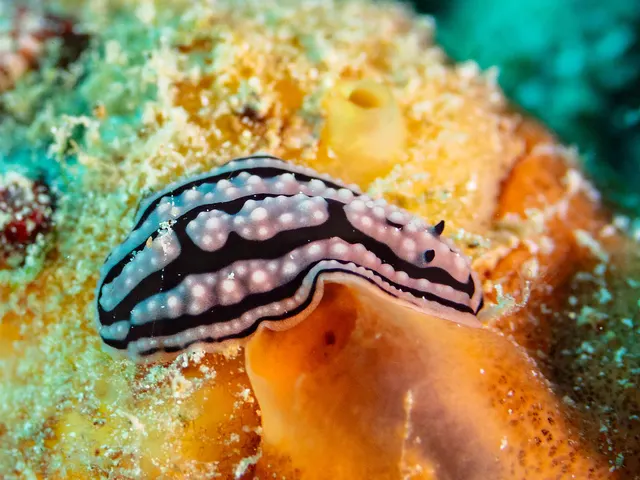 No. 70
Pink bumpy ridges on a black body. The rarer cousin of the yellow phyllidia.
 No. 71
A little orange slug that looks like someone drew on it with a white pen.
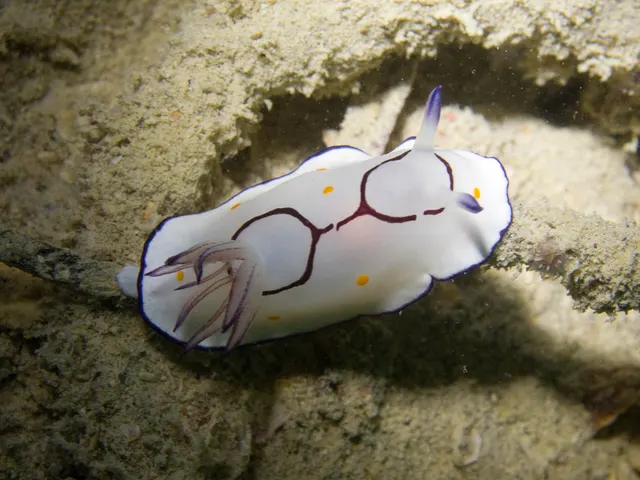 No. 72
A pale sea slug with bold purple rings around its horns and gills.
 No. 73
A tiny sea slug named after Mumbai, and one of the rare finds on this coast.
Look in cracks for lobsters, and in rock pools for crabs, urchins and sea cucumbers.
 No. 74
Look for two long white antennae sticking out of a crack. There is a lobster behind them.
 No. 75
The fastest crab on Goa's rocks. Blink and it is already on the other side.
 No. 76
A smooth red crab that looks good enough to eat. Crabs in its family can be deadly.
 No. 77
A big red hermit crab with white spots, dragging its borrowed shell over the sand.
 No. 78
A crab that sticks sponge and seaweed on its own back to disappear.
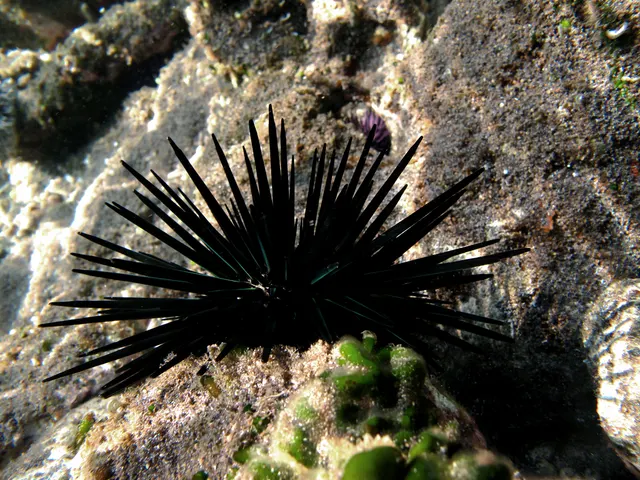 No. 79
A black spiny urchin that digs its own home into solid rock.
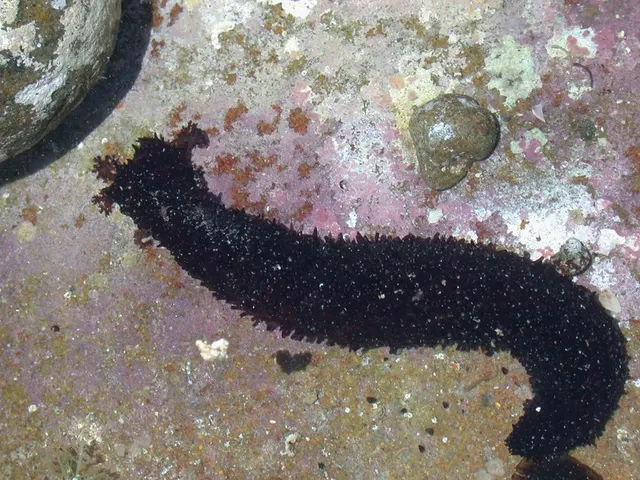 No. 80
Squeeze it and it shoots sticky white threads at you. So don't.
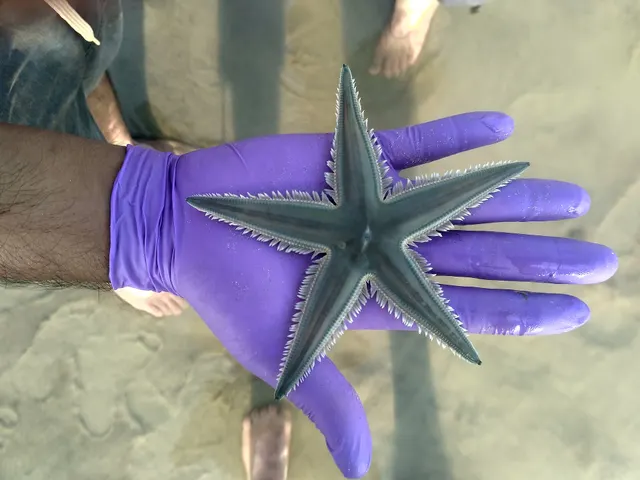 No. 81
A starfish that buries itself in the sand faster than you can find it.
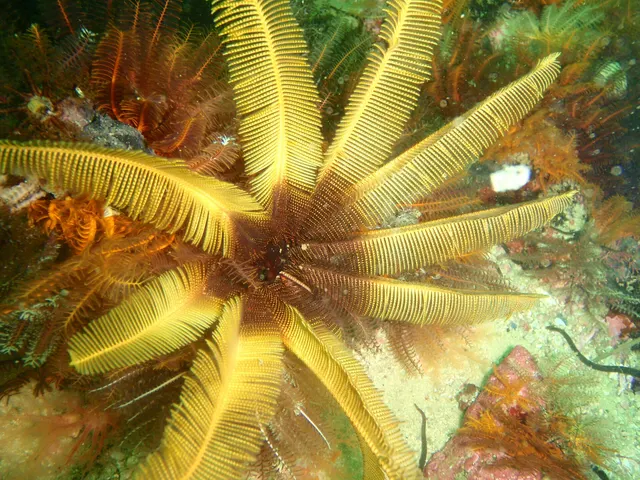 No. 82
Ten feathery arms on a rock. When it lets go, it swims.
Goa's reefs are rocky, not coral reefs. Corals, sponges and anemones still grow on the rocks, and two of the anemones were first described from Goa.
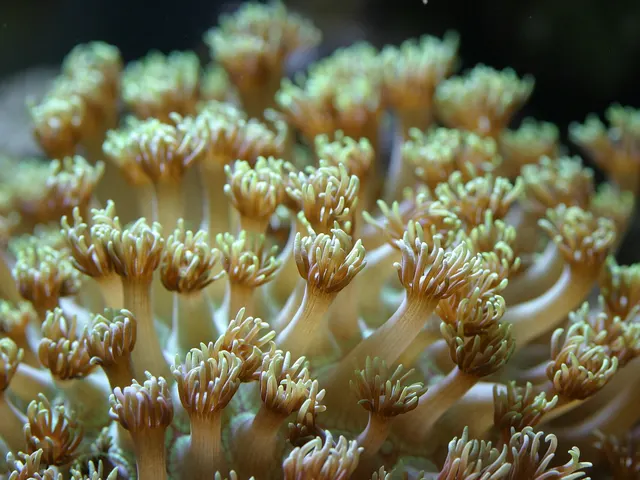 No. 83
A hard coral that looks like a pot of flowers, its long polyps swaying all day.
 No. 84
A coral boulder that looks like a honeycomb. Common on the reefs around Grande Island.
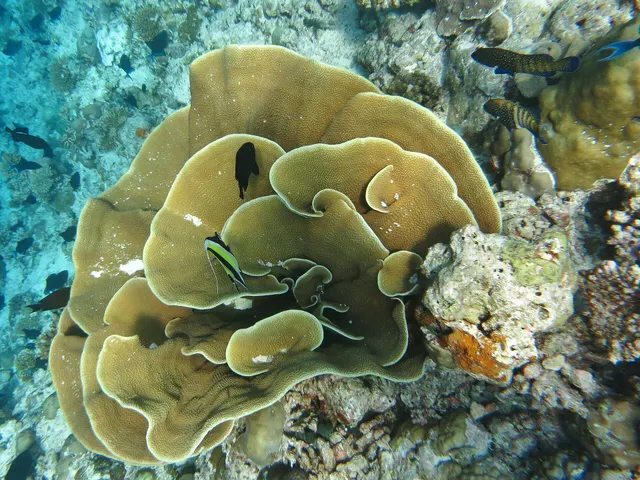 No. 85
Folded coral plates that look like a bowl of lettuce. Handles Goa's murky water well.
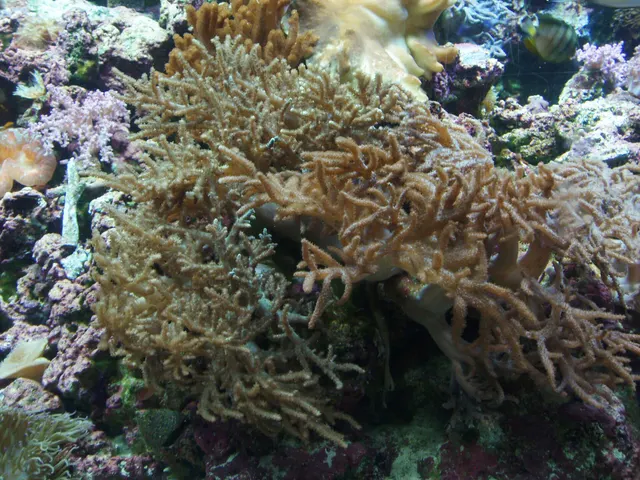 No. 86
A soft coral that feels like leather and folds like a cabbage. Look, don't touch.
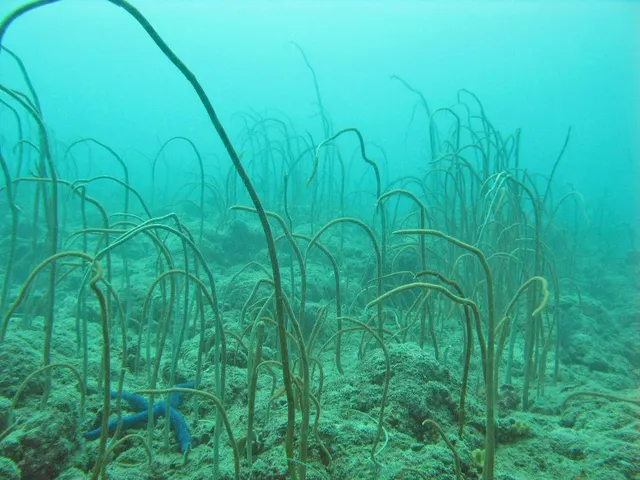 No. 87
Long coral whips sticking out from the rock, often next to bright orange sponges.
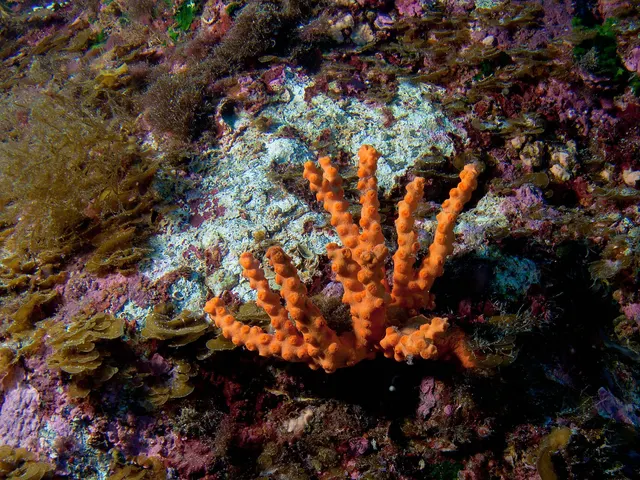 No. 88
Bright orange-yellow coral cups hiding under overhangs. Bring a torch.
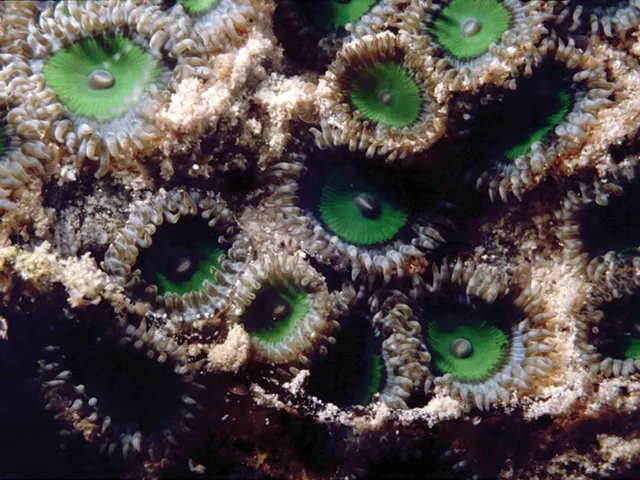 No. 89
Green and brown button polyps that carpet Goa's rocky shore. Pretty, and toxic.
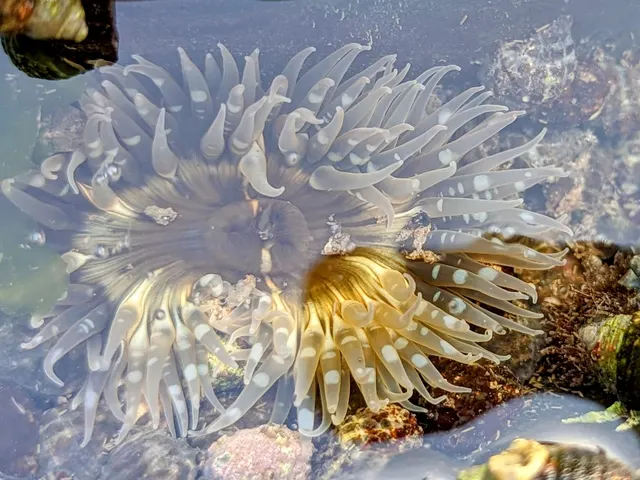 No. 90
Two sea anemones found and named in Goa. One is named after Anjuna beach.
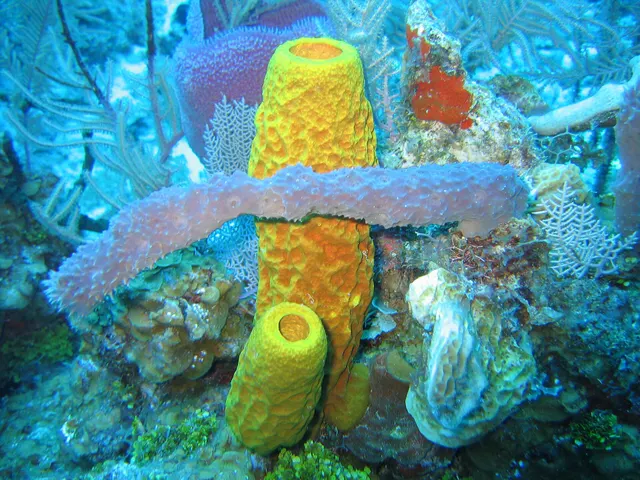 No. 91
Orange sponges, grey sponges, sponge crusts. They feed every sea slug on this page.
What floats in the water and washes up on the beach, and which ones sting.
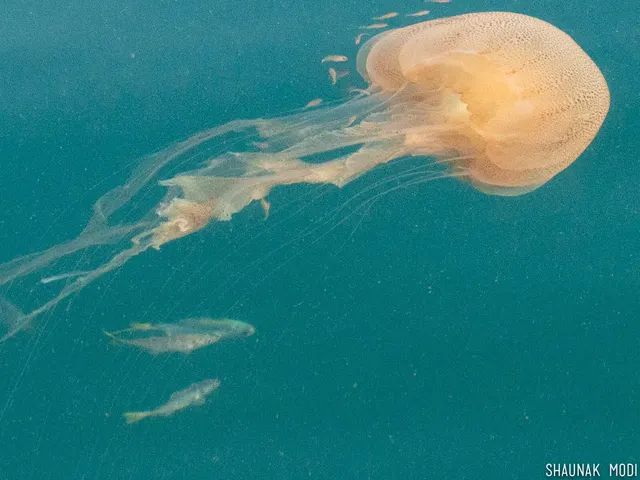 No. 92
A jellyfish with long trailing tentacles. Common after the monsoon, and it stings.
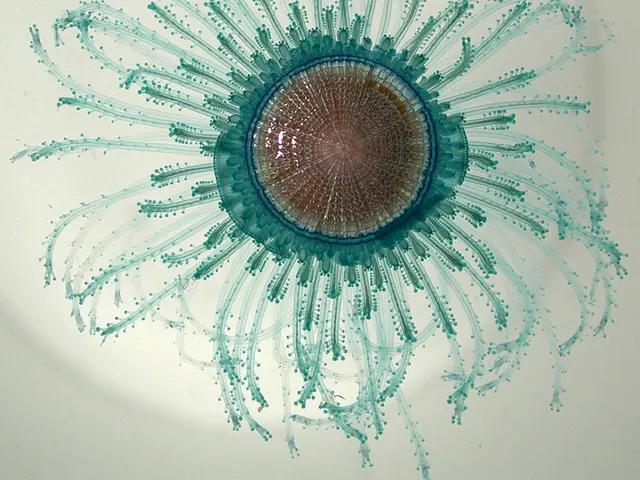 No. 93
A blue disc that floats on the sea. Not a true jellyfish, but it can still sting.
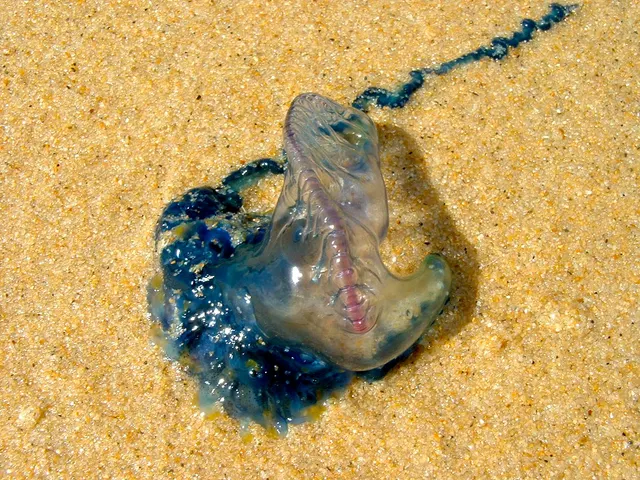 No. 94
A blue balloon on the sand with long blue strings. Its sting hurts badly. Keep away.
Most Goa dives happen around Grande Island. Each site has its own regulars. Tap a name to read about it.
Rocky reef, a small wall and a swim-through with orange sponges and sea whips. Most of the reef fish on this page live here.
Calm, sandy bays next to the rocks. This is where first dives and courses start, and where the rays and gobies live.
A broken old wreck covered in growth. Snappers and sweetlips hide in its shade, and lionfish sit on the metal.
A deeper, broken wreck with current. Bigger fish pass through here: trevally, barracuda and the odd tuna.
A rock pinnacle in open water with current and surge. Schools of fish and the best chance of a hunting trevally.
Keep watching the water on the way out. Humpback dolphins feed close to the coast here all year.
Go at low tide with good shoes. Rock pools hold more life than most people expect, including two anemones first described from Anjuna.
Olive ridley turtles nest on these protected beaches. Keep to the rules of the Forest Department staff on site.
The sea is calmest and clearest from November to February. Sites close for the monsoon from June to September, and olive ridley turtles nest on the beaches from December to April.
Press "Spotted" on any card after a dive or snorkel. Your list stays in this browser on this phone or computer, and we never see it. Print it and bring it on the boat if you like.
Goa's reefs are small and close to a busy coast. A few simple habits keep them worth visiting.
Stings and spines: if a jellyfish or bluebottle stings you, get out of the water, pick off any tentacles (gloves or tweezers help) and rinse with seawater, not fresh water. Do not rub it, and do not put vinegar on a bluebottle sting. Hot water, no hotter than about 45°C, for 20 minutes eases the pain, or use a cold pack. Get medical help fast if breathing feels hard, the sting is large or near the eyes, or a child is stung. For lionfish, scorpionfish, rabbitfish or stingray spines, soak the wound in hot water, again no hotter than about 45°C, and see a doctor.
No swimming needed for a first dive. Your instructor stays next to you and points out the animals, and you get the photos.
Goa's dive sites are rocky reefs and old wrecks around Grande Island. On most dives you see moray eels, butterflyfish, angelfish, damselfish, snappers, groupers, lionfish and pufferfish. With some luck you also meet a ray, an octopus, a cuttlefish or a nudibranch, and dolphins often show up on the boat ride. This guide lists 94 species recorded in Goa.
Yes. Indian Ocean humpback dolphins live close to the Goa coast all year, around Sinquerim, Aguada, Coco Beach and the mouths of the Mandovi and Zuari rivers. Boats run from October to May, and you often see dolphins on the way to Grande Island. Mornings are usually calmer, which makes fins easier to spot. The species is endangered, so pick a boat that slows down, keeps its distance and never chases them.
Underwater, rarely. Hawksbill and green turtles have been recorded in Goa's waters, but most divers here do not meet one in a season. On land, olive ridley turtles nest on Morjim, Mandrem, Galgibaga and Agonda beaches, mostly from December to April, and the hatchlings go to sea from about February to May. All sea turtles are protected in India under Schedule I of the Wildlife (Protection) Act.
Yes. Sea nettles are most common from November to January, and lifeguards have reported sting swarms on Goa's beaches around then. Bluebottles mostly wash up in the monsoon, July to September. Most stings happen to swimmers near the shore, and a full wetsuit covers most of your body on a dive. If lifeguards put up a jellyfish warning, stay out of the water at that beach. First aid is in the "Look closely, touch nothing" section below.
Not on the dive sites in any number. The small grey bamboo shark is a rare sighting and is harmless. Whale sharks have been recorded off Goa a few times, but that happens once in several years. Divers here do not meet dangerous sharks. Our post on sharks in Goa has the longer answer.
Yes. The beaked sea snake is the one found most often, usually caught in fishing nets or washed up on a beach. Sea snakes are highly venomous but rarely bite unless someone handles them. Divers in Goa seldom see one. Never pick up a sea snake on the beach, even one that looks dead.
Not a true coral reef like the ones in the Andaman Islands or Lakshadweep. Goa's reefs are rocky. Hard corals such as flowerpot, honeycomb and salad coral grow on the rocks, along with soft corals, sea whips and sponges, mostly around Grande Island.
Yes. At Grande Island you float over the rocks and look down on sergeants, damselfish, butterflyfish, parrotfish and pufferfish, and sometimes a moray. You do not need to be able to swim, and you get about an hour on the reef. See snorkelling at Grande Island for the trip details.
Not in the wild, as far as the records show. If you see a clownfish photo labelled Goa, it was probably taken in an aquarium or somewhere else. Goa's rock pools do have sea anemones, and two of them, Anthopleura anjunae and Bunodosoma goanense, were first described from Goa.
The dive season runs from October to May. November to February usually has the calmest sea and the best visibility. Olive ridley turtles nest from December to April. Dive sites close from June to September for the monsoon.
Usually 3 to 10 metres, and up to about 15 metres on the best days. Rivers carry fresh water and silt into the sea, so Goa is never as clear as the Maldives. Most of the life here is small and close to the rocks, so a slow dive near the reef shows you the most.
Very little, if you do not touch anything. Lionfish, scorpionfish and rabbitfish have venomous spines. Jellyfish and bluebottles sting, and sea urchin spines break off in skin. Moray eels bite if a hand goes into their hole. Sea snakes are venomous but not aggressive. Keep your hands to yourself and follow your instructor.
Photos come from Wikimedia Commons and iNaturalist under the licences shown, cropped and resized for this page. A few show a closely related species where no free photo of the Goa species exists; this is noted. Species are included only where there is a published or community sighting record from Goa. Last checked 2026-10-26.
