Most people picture Goa as beaches, nightlife, and a mix of cultures. But there’s another side below the surface. Down there you’ll find plenty of marine life and colour, and it’s a great place to shoot underwater. This blog covers what Goa offers underwater and why photographers keep coming back to it.
Underwater Photography in Goa
Underwater photography is its own kind of storytelling. Whether you’ve been shooting for years or you’re just starting out, Goa gives you plenty to work with below the surface.
The right gear
Before you head out, sort your gear. The main thing is a waterproof camera, or a proper underwater housing for the camera you already own. Several brands make cameras built for underwater use, and the right one makes a real difference to your shots.
Best times for underwater photography
Goa’s waters are warm and clear, so you can shoot here most of the year. That said, October to April is the best window. The seas are calm then, visibility is at its best, and you’ll see more marine life.
Scuba Diving for Photographers
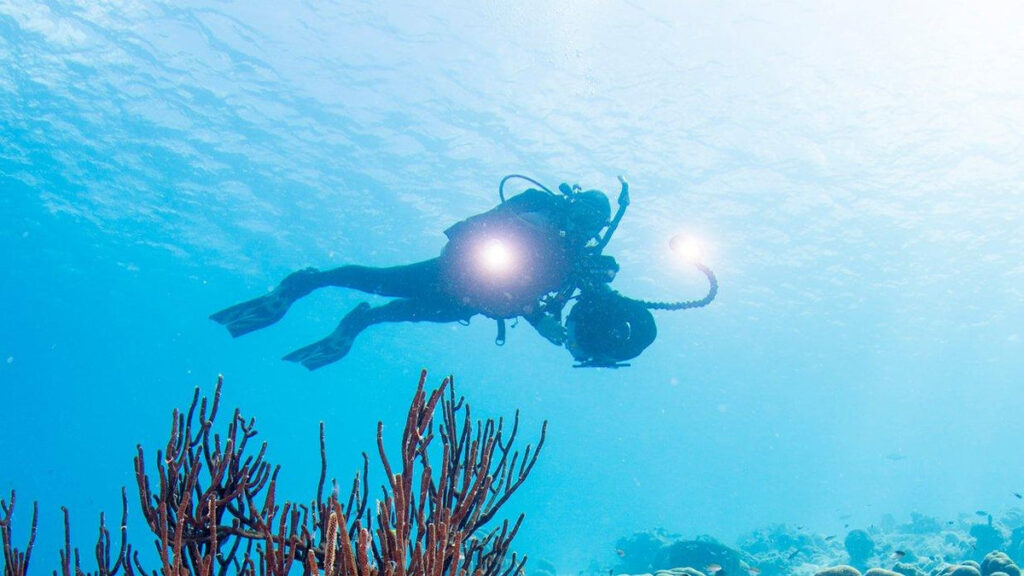
Goa has plenty of dive sites that work well for photographers. As you go down, you’ll run into all sorts of marine life: coral reefs, sea turtles, and schools of fish. There’s a lot to point the camera at.
The art of underwater composition
Good underwater shots take more than pointing and clicking. You need a feel for composition, lighting, and a bit of patience. A few things to keep in mind when shooting Goa’s underwater scenery:
-
Natural light:
Use the natural light coming down through the water. It can do some lovely things to your subjects.
-
Macro and wide-angle:
Try both macro and wide-angle. Macro gets you the tiny details on the corals, wide-angle takes in the bigger underwater scenes.
-
Steady hands:
A sharp image comes down to holding still. Use your buoyancy control to keep yourself steady in the water.
-
Respect the environment:
Shoot responsibly. Don’t touch or disturb the marine life or the coral, ever.